

WPC Flutted 3D Wall Panels: Features, Installation, and Buying Tips
WPC (Wood Plastic Composite) Flutted 3D wall panels are innovative building materials that combine the natural aesthetics of wood with the durability and low maintenance of plastic. These panels are made from a mixture of wood fibers, thermoplastics, and additives, resulting in a product that is resistant to moisture, termites, and UV rays. WPC wall panels are an excellent choice for both interior and exterior applications, offering a sustainable and eco-friendly alternative to traditional wood or PVC panels.
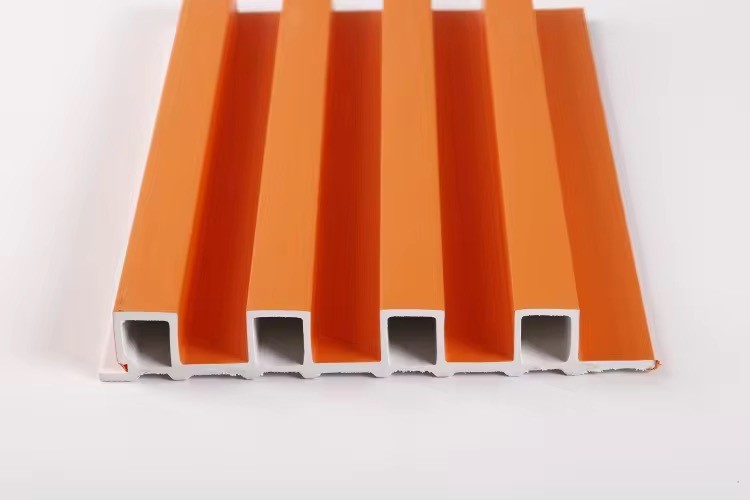

WPC Flutted 3D wall panels are available in a wide range of designs, textures, and colors, making them suitable for various architectural styles. Whether you are looking for a modern, sleek finish or a rustic, natural look, WPC Flutted 3D wall panels can meet your design needs.
For interior applications, WPC Flutted 3D wall panels provide a stylish and practical solution for walls, ceilings, and partitions. They are available in various designs, including wood grain, stone, and abstract patterns, allowing you to create a unique and inviting space. WPC interior wall panels are also easy to clean and maintain, making them perfect for high-traffic areas like living rooms, kitchens, and bathrooms.
How to Install WPC Wall Panels
Installing WPC Flutted 3D wall panelsare straightforward and DIY-friendly. Follow these steps:
1. Prepare the Wall: Ensure the surface is clean, dry, and flat. Remove debris or old nails.
2. Measure and Cut: Use a tape measure to mark panel dimensions. Cut panels with a handsaw, circular saw, or retractable knife. Apply masking tape along the cut line for clean edges.
3. Adhesive or Screws:
● Apply silicone or Board Fix adhesive in a zigzag pattern on the panel’s back.
● Press the panel firmly against the wall and hold for 30 seconds.
● Alternatively, secure panels using screws for added stability.
4. Align and Finish: Use a spirit level to ensure straight alignment. Repeat for adjacent panels, leaving minimal gaps for expansion.
For large projects, professional installation is recommended to ensure precision